Founder of GTA Accounting Group, Sohail helps businesses grow with expert tax strategies and financial planning.
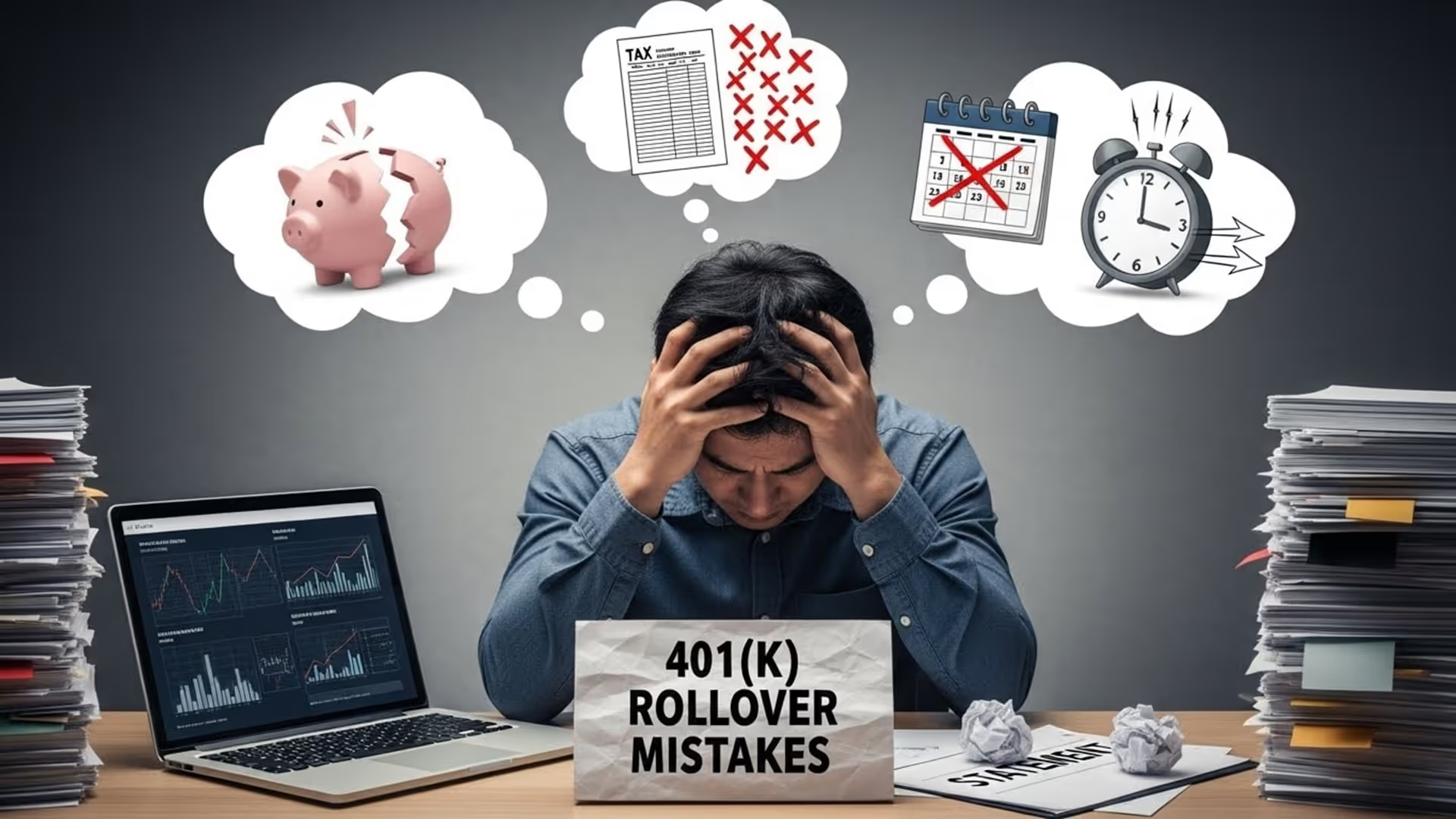
Avoid common 401(k) rollover mistakes with this guide. Learn how to prevent penalties, tax issues, and delays while transferring retirement funds safely with GTA Accounting Group.
Rolling over a 401(k) should be a simple process, but small mistakes can trigger penalties, unexpected taxes, or delays that complicate your financial planning. Many people assume a rollover is just paperwork, but the IRS has strict rules about how funds move between retirement accounts. If you overlook those rules, you may end up paying unnecessary taxes. This guide covers the seven most common mistakes people make during a rollover and explains how to avoid them. Firms like GTA Accounting Group frequently see taxpayers deal with penalties that could have been avoided with proper guidance.
One of the biggest mistakes is selecting an indirect rollover because it seems more flexible. Understanding the difference between 401(k) Rollover vs Transfer vs Cash Out: What’s the Smartest Option? and Direct vs Indirect 401(k) Rollover: Which One Is Better for You? is essential to avoid costly errors. With an indirect rollover, the check is sent to you personally, and you are responsible for depositing it into a new retirement account within 60 days. Most people underestimate how strict this rule is. If you miss the deadline by even one day, the IRS counts the entire amount as a taxable distribution. In addition, the plan provider withholds 20% automatically for taxes, and you must replace that amount from other funds to roll over the full balance. These complications make indirect rollovers risky.
Avoid this mistake by:
The 60-day rule applies only to indirect rollovers, but many people assume they will complete the task within the allowed period. Life events, mail delays, travel, and paperwork errors often cause delays. Once the 60 days pass, the IRS no longer considers the funds eligible for rollover. This means the entire amount becomes taxable, and if you are under 59½, you also pay a 10% early withdrawal penalty. Many people attempt to argue hardship, but the IRS only grants waivers under very limited conditions, and approval is not guaranteed.
To avoid missing the deadline:
When your employer sends you the funds in an indirect rollover, they withhold 20% for federal taxes—even if your goal is to roll over 100% of the money. Many people don’t realize they must replace this withheld amount from their own savings when depositing into the new retirement account. If you fail to replace it, the IRS treats the missing 20% as a distribution. You’ll owe taxes on it and potentially a penalty. This mistake is very common because people assume the withheld amount will be rolled over automatically, but the IRS treats it differently.
Avoid this by:
Another common mistake is rolling your 401(k) into an account that doesn’t match your tax needs. For example, rolling pre-tax 401(k) funds into a Roth IRA triggers immediate taxes because Roth accounts use after-tax contributions. Some people unknowingly create large tax bills simply because they didn’t understand how the accounts differ. Others roll into IRAs with high fees or poor investment options, reducing long-term growth. Before choosing the receiving account, you should understand its tax structure, cost structure, and investment availability.
Prevent this error by:
Many people change jobs multiple times but leave their old 401(k) accounts behind. An unmanaged account can lead to confusion, missed statements, poor investments, and forgotten logins. Some employers also charge higher fees for former employees. Over time, you may lose track of how your funds are invested, and you may forget to rebalance your portfolio. Old accounts often remain in outdated funds that don’t match your current financial goals. While staying in an old plan isn’t always harmful, neglecting the account can reduce long-term performance.
Avoid this mistake by:
After your rollover completes, the funds often sit in a cash settlement account. Many people assume the money is automatically invested, but that rarely happens. If you forget to reinvest the funds, your money earns minimal interest and loses purchasing power over time. You must choose your new investments manually or with the help of an advisor. Leaving funds in cash for months or years significantly impacts long-term returns, especially during periods of market growth.
To prevent this:
Not all IRA providers are the same. Some offer low-cost index funds, while others charge high annual fees, trading costs, or administrative charges. If you choose a provider without reviewing their fee structure, you may pay more than necessary. Some custodians limit the types of investments you can hold, reducing flexibility. Others charge for account maintenance, transfers, and even certain types of mutual funds. Ignoring these costs can quietly reduce your long-term returns. Many people rush into a rollover without comparing options.
Avoid this mistake by:
Some people cash out their 401(k) because they want quick access to funds. However, this creates taxes and penalties that reduce your balance significantly. Cashing out also stops your retirement growth. While this isn’t technically a rollover mistake, it is one of the most common errors people make when changing jobs. Cashing out may only be appropriate in extreme financial emergencies. Otherwise, it hurts your long-term financial stability.
Avoid cashing out unless:
Avoiding the mistakes above makes your rollover easy and efficient. Preparation is key. Knowing which type of rollover you want, choosing the right account, and following the correct steps ensures your money moves without tax issues. The safest choice is almost always a direct rollover because it avoids withholding and deadlines. Being organized with documentation and monitoring the transfer completes the process smoothly. Retirement accounts are long-term assets, so a clean rollover protects your savings.
Follow these steps:
A 401(k) rollover is usually a smart financial decision, but mistakes can lead to taxes, penalties, and lost growth. Understanding the rules helps you move your retirement savings safely. Direct rollovers avoid nearly all the risks associated with indirect rollovers. Paying attention to fees, investment options, account types, and deadlines ensures your retirement funds stay protected. Taking time to plan your rollover will help you maximize your long-term financial security. For a complete step-by-step guide on performing a 401(k) rollover correctly, see How to Rollover a 401(k): Honest Feedback and a Step-by-Step Guide.
Experience the difference with our tailored accounting solutions. Let's transform your financial landscape together. Get in touch for a consultation!
Get in touch
At GTA Accounting Group, we value proactive clients — which is why when you book an appointment, you'll also receive an exclusive offer designed to help you save more, plan better, and make confident financial decisions.
Simply fill out the form, and our team will reach out to confirm your appointment and deliver your award. It only takes 30 seconds and gets you one step closer to expert support.
Use the form below to